Category: Health
-
Composting 101: Turning Food Scraps into Garden Gold

Introduction Composting is an eco-friendly way to recycle food scraps and yard waste into nutrient-rich soil for your garden. By turning organic waste into compost, you reduce landfill waste, lower your carbon footprint, and improve your garden’s health. Whether you’re a beginner or an experienced gardener, composting is an easy and rewarding habit to adopt.…
-
Eco-Conscious Snacking: Healthy Bites with a Low Carbon Footprint

Introduction Snacking doesn’t have to come at the expense of the planet. With a few mindful choices, you can enjoy delicious and satisfying snacks while reducing your environmental impact. By choosing sustainable ingredients, minimizing packaging waste, and supporting eco-friendly brands, you can snack smarter and greener. Here’s how you can embrace eco-conscious snacking without sacrificing…
-
Seasonal Eating Guide: Best Foods to Enjoy Each Time of Year

Introduction Embracing seasonal eating is a fantastic way to enjoy fresher, tastier produce while supporting local farmers and reducing your environmental footprint. By choosing foods that naturally thrive in each season, you get the best flavor, nutrition, and sustainability benefits. Spring: Fresh and Vibrant Produce Springtime offers a variety of fresh, crisp, and nutrient-packed foods…
-
The Truth About Food Miles: How Your Grocery Choices Impact the Earth

Introduction The journey your food takes from farm to plate has a significant impact on the environment. Known as “food miles,” this concept highlights the distance food travels before reaching your home. Understanding food miles can help you make informed choices that reduce your carbon footprint and promote sustainable eating habits. What Are Food Miles?…
-
Water-Saving Recipes: Delicious Dishes That Conserve Resources

Introduction Conserving water in the kitchen doesn’t mean sacrificing flavor or nutrition. With mindful ingredient choices and smart cooking techniques, you can reduce your water footprint while still creating delicious and satisfying meals. By embracing water-saving recipes, you help preserve one of Earth’s most precious resources. Why Focus on Water-Saving Recipes? The food industry is…
-
Zero-Waste Meal Prep: Smart Planning for a Greener Kitchen

Introduction Reducing food waste is one of the most effective ways to minimize your environmental footprint. By embracing zero-waste meal prep techniques, you can save money, conserve resources, and reduce landfill waste. With a bit of planning and mindful habits, creating a sustainable kitchen is easier than you think. Step 1: Plan Your Meals Wisely…
-
Plant-Based Protein Power: Best Meat Alternatives for a Balanced Diet
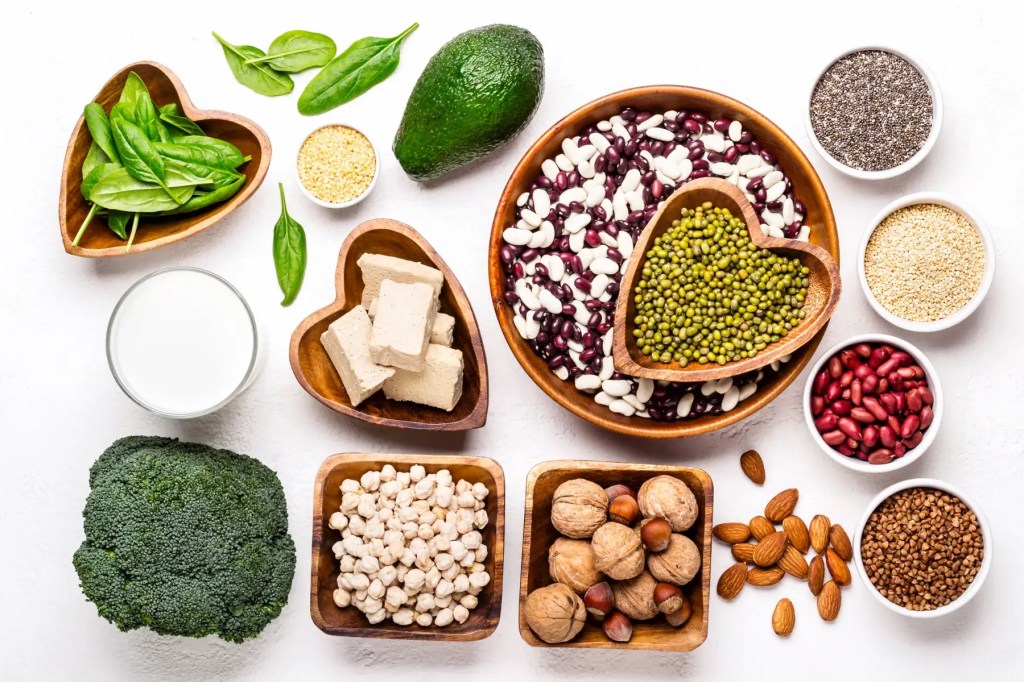
Introduction Embracing a plant-based lifestyle doesn’t mean sacrificing protein. With the right meat alternatives, you can meet your nutritional needs while enjoying flavorful and satisfying meals. Whether you’re a vegan, vegetarian, or just looking to reduce your meat consumption, these plant-based protein sources can help maintain a well-balanced diet. Top Plant-Based Protein Alternatives Made from…
-
Eco-Friendly Cooking Tips: How to Reduce Food Waste in Your Kitchen

Introduction Reducing food waste is one of the most impactful steps you can take to live a more eco-friendly lifestyle. Not only does it conserve resources and reduce your environmental footprint, but it also saves money and encourages mindful consumption. With a few simple strategies, you can significantly reduce food waste in your kitchen and…
-
Sustainable Superfoods: Nutrient-Rich Options That Help the Planet

Introduction Eating for your health doesn’t have to come at the planet’s expense. Sustainable superfoods are nutrient-dense, environmentally friendly options that support both personal wellness and global conservation. By choosing foods that require fewer resources to grow and contribute positively to ecosystems, you can promote sustainable living without sacrificing nutrition. What Are Sustainable Superfoods? Sustainable…

