Introduction
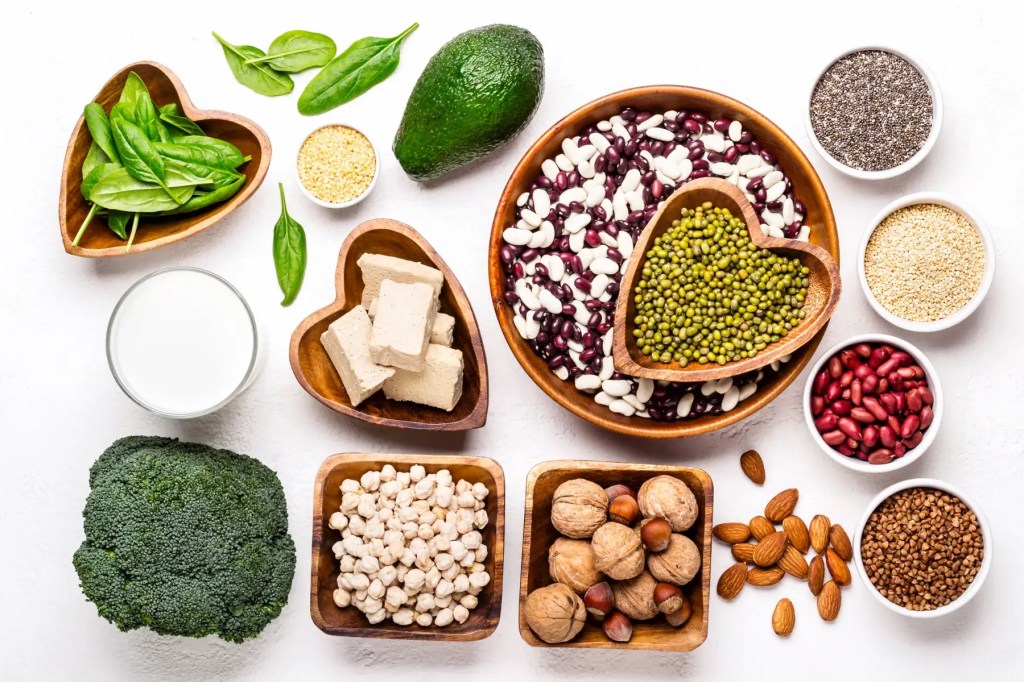
Embracing a plant-based lifestyle doesn’t mean sacrificing protein. With the right meat alternatives, you can meet your nutritional needs while enjoying flavorful and satisfying meals. Whether you’re a vegan, vegetarian, or just looking to reduce your meat consumption, these plant-based protein sources can help maintain a well-balanced diet.
Top Plant-Based Protein Alternatives
- Tofu
- Made from soybeans, tofu is a versatile protein source with a mild flavor that absorbs marinades and seasonings beautifully. It’s rich in iron, calcium, and amino acids, making it a staple in plant-based diets.
- Tempeh
- Tempeh is a fermented soybean product with a firm texture and nutty flavor. Packed with protein, probiotics, and fiber, it promotes gut health and offers a satisfying alternative to meat.
- Seitan (Wheat Gluten)
- Often referred to as “wheat meat,” seitan is a dense, chewy protein source that works well in savory dishes. It’s particularly rich in protein and low in fat, making it ideal for high-protein meals.
- Lentils
- These nutrient-dense legumes are rich in protein, fiber, and essential minerals. Lentils are versatile, budget-friendly, and perfect for soups, stews, or salads.
- Chickpeas (Garbanzo Beans)
- Chickpeas are a great source of plant-based protein, fiber, and iron. From hummus to roasted snacks, they offer plenty of culinary versatility.
- Quinoa
- A complete protein containing all nine essential amino acids, quinoa is perfect for adding texture and nutrition to bowls, salads, and side dishes.
- Edamame
- These young soybeans are a protein-packed snack or side dish. They’re rich in fiber, iron, and essential nutrients, making them a powerful addition to your meals.
- Black Beans
- Black beans are loaded with protein, fiber, and antioxidants. They work well in burritos, tacos, and even as burger patties.
- Hemp Seeds
- With a balanced ratio of omega-3 and omega-6 fatty acids, hemp seeds are a nutritious addition to smoothies, salads, or energy bars.
- Pea Protein
- Derived from yellow peas, this plant-based protein is commonly found in protein powders and meat substitutes. It’s easily digestible and an excellent option for boosting muscle growth.
Nutritional Benefits of Plant-Based Proteins
- Heart Health: Plant-based proteins are often lower in saturated fats and cholesterol, reducing the risk of heart disease.
- Digestive Health: Many plant-based proteins are rich in fiber, which supports digestion and maintains gut health.
- Weight Management: These foods are often lower in calories yet highly filling, aiding in weight control.
Tips for Incorporating Plant-Based Proteins into Your Diet
- Start with Simple Swaps: Replace ground beef with lentils in tacos or use chickpeas in place of chicken in salads.
- Diversify Your Meals: Incorporate a variety of protein sources to ensure you get a broad range of nutrients.
- Embrace Flavor Enhancers: Use herbs, spices, and marinades to elevate the taste of plant-based proteins.
- Meal Prep in Advance: Cook large batches of beans, quinoa, or tofu to simplify meal preparation throughout the week.
Conclusion
Adopting a plant-based diet doesn’t mean compromising on protein intake. By incorporating a range of nutrient-dense meat alternatives, you can maintain a balanced and healthy diet. Experiment with different cooking methods and flavors to enjoy satisfying, plant-based meals that nourish your body and reduce your environmental footprint.


Leave a Reply